
Wastewater Treatment
Wastewater treatment plants should never stop operating because the health of humanity depends on them. Treatment processes must run 24/7 to handle incoming wastewater. Gearboxes help ensure these systems run reliably, but wastewater treatment environments are extremely harsh for mechanical equipment.
How gearboxes keep wastewater treatment plants running:
- Continuous operation: Gearboxes allow motors to deliver the controlled torque and speed required by mixers, aerators and clarifiers
- Process stability: Gearboxes help maintain stable aeration levels, consistent mixing and controlled sludge movement — essential for biological treatment systems to function properly
- Environmental compliance: Reliable gearbox-driven equipment helps ensure that treated water meets environmental discharge standards for pollutants such as biological oxygen demand (BOD), suspended solids, nutrients and pathogens
Why gearboxes fail in wastewater facilities:
- Corrosion: Moisture, hydrogen sulfide gas and chemicals used in treatment processes cause corrosion of gearbox housings, shafts and internal components
- Water intrusion: Water contamination inside gearboxes, often from seal failures, can cause oil emulsification, loss of lubrication, bearing damage and accelerated gear wear
- Continuous operation: Nonstop operation for years leads to gear fatigue, bearing wear and lubrication breakdown
- Overloading: Mechanical resistance from sludge buildup or debris can overload drives and lead to gear tooth damage, shaft failures and coupling damage
- Inadequate maintenance: Because many drives operate slowly and quietly, developing problems can go unnoticed and progress into major mechanical failures
The consequences of wastewater treatment plant gearbox failures:
- Treatment process disruptions
- Environmental violations leading to regulatory fines, environmental penalties and increased regulatory scrutiny
- Pumping system failures potentially causing sewer backups, system overflows and emergency maintenance situations
- Damage to connected components such as mixer shafts, aerator assemblies, clarifier arms and pump systems
- Extended downtime to repair or rebuild large clarifier drives and other specialized wastewater gearboxes — taking weeks without experienced gearbox repair services.
We work on any and all brands of mixer/agitator drives, aerator drives, pump drives and other process-critical rotating equipment used in the wastewater treatment process — with the capability of reverse-engineering all components to equal or better quality than original. Our Field Machining and Services crews can perform in place a range or process-critical services, from gearbox inspections and rebuilds to line boring, journal turning and face and base milling.
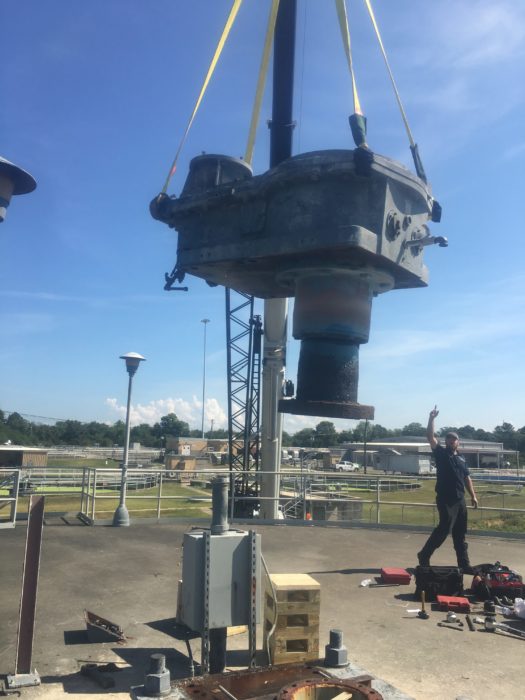
Aerator Gearbox Repair for Wastewater Treatment Facility
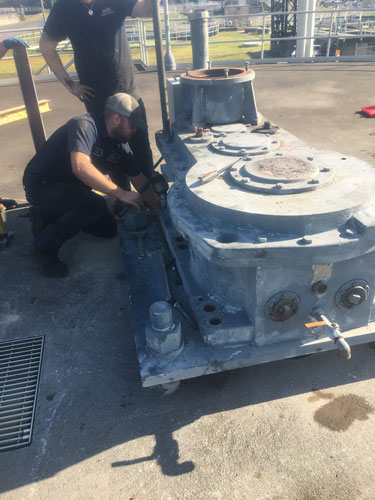
Field Service Aerator Gearbox
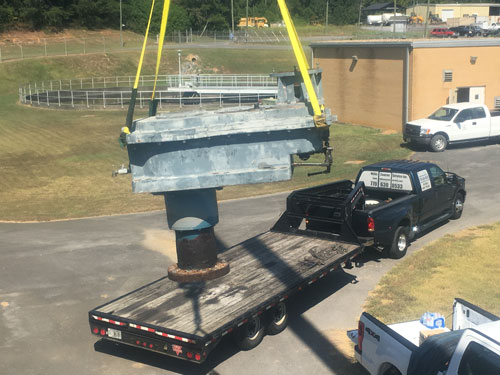
Aerator Gearbox on Way to Repair
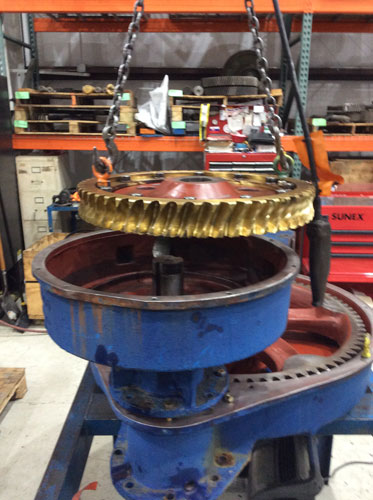
Clarifier Gearbox During Disassembly
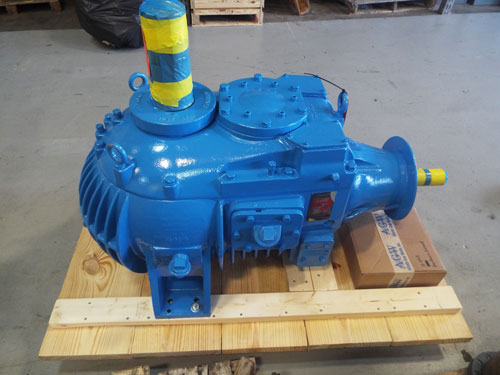
Rebuilt Cooling Tower Gearbox
We repair any make, any model, anytime, anywhere.
When you have a process-critical rotating equipment problem, we’ll treat you right. Contact us any time. We’re ready 24/7.